January 3, 2026

BNN Inc

Think differently to be a unique person

Fashion

Sustainable fashion is more than just a trend—it’s a movement that’s shaping the future of the industry. With increasing awareness about the environmental impact of fast fashion, consumers are turning to brands that prioritize eco-friendly materials, ethical labor practices, and long-lasting quality.

Sustainable fashion focuses on reducing waste, using organic or recycled materials, and creating timeless pieces that encourage longevity over disposable trends. The fashion industry is one of the largest polluters in the world, and adopting sustainable practices is critical in mitigating its environmental footprint. Notably, photographers such as those from Noan Photography are helping sustainable fashion brands by capturing the essence of eco-friendly fashion, helping consumers visualize how style and sustainability can coexist.

The Environmental Impact of Fashion

The fashion industry is one of the largest polluters in the world. According to the Ellen MacArthur Foundation, the global fashion industry produces more carbon emissions than international flights and maritime shipping combined. The production of textiles also requires significant amounts of water and chemicals, leading to the contamination of rivers and ecosystems.

Fast fashion, in particular, is responsible for a large portion of this environmental damage. With trends changing rapidly, clothing is produced at an alarming rate and often discarded after only a few uses. This creates mountains of textile waste, with millions of tons of clothes ending up in landfills each year.

The Role of Consumers in Sustainable Fashion
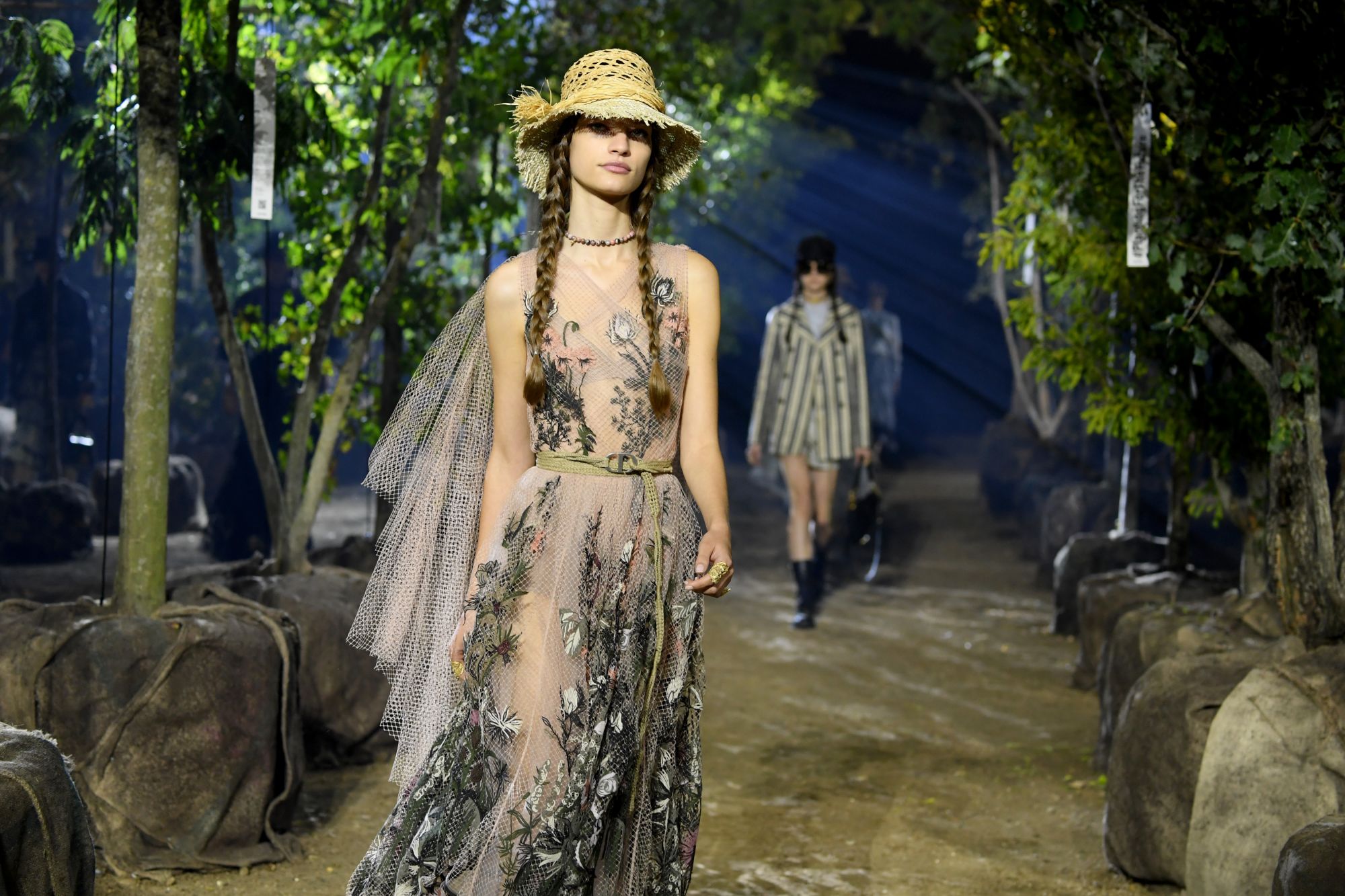
Sustainable Fashion

As consumers become more aware of the environmental impact of their clothing choices, many are turning to sustainable fashion brands. These brands offer high-quality, durable clothing made from eco-friendly materials like organic cotton, hemp, and bamboo. Additionally, many sustainable brands focus on producing timeless, versatile pieces that can be worn year-round, reducing the need for constant replacements.

Social media has played a key role in the rise of sustainable fashion. Consumers are now able to easily discover sustainable brands and share their shopping experiences with others. Platforms like Instagram allow sustainable fashion advocates to showcase their outfits, providing inspiration for others who want to reduce their fashion waste.

The Future of Sustainable Fashion

The future of fashion lies in sustainability. As the demand for eco-friendly products continues to rise, more brands will be forced to adopt sustainable practices to remain competitive. Innovations in fabric production, such as plant-based textiles and biodegradable materials, will continue to push the industry towards greener practices.

Moreover, technology is playing a significant role in sustainability. 3D printing, for example, allows for on-demand production of clothing, eliminating the need for mass manufacturing. This reduces waste and ensures that clothing is produced only when it is needed.

Conclusion

Sustainable fashion is no longer a trend; it’s the future of the industry. With the growing awareness of environmental issues, consumers are increasingly demanding clothing that is both stylish and sustainable. As more brands embrace eco-friendly practices, the fashion industry will continue to evolve towards a more sustainable and ethical future.

While many views high fashion as something just for red carpets and exclusive occasions, the reality is that you don’t have to wait for a beautiful event to include runway designs into your daily attire. A little imagination and a sharp eye for trends can help you to include high fashion components into your everyday clothes and improve your look easily. Here is how to translate the most thrilling runway trends to practical wear, using alt-command techniques to simplify your styling process.

Begin with Key Pieces

You don’t have to change everything to add high fashion to your closet. Begin with one or two statement items that reflect the core of present runway trends. You may just include big blazers or tailored suits into your daily wardrobe, for instance, if they were a popular trend on the runway. For an improved casual style, combine a well-fitted blazer with your preferred jeans or pants; alternatively, throw it over a basic dress to give your ensemble form.

Experiment with Proportions

Runway styles sometimes play with proportions; by combining large and fitting items, you may incorporate this quality into your everyday wear. To offset the shape, for example, combine narrow pants or skinny jeans with an oversized top or sweater. On the other hand, a cropped top or shirt paired with high-waisted pants provides a stylish and modern appearance reflecting fashion-forward runway trends.

Combine Casual Staples with High Fashion

You don’t have to keep your high fashion items for unique occasions. Mixing expensive or runway-inspired pieces with daily casual essentials will assist in improving your appearance without becoming excessive. For an easygoing yet fashionable look, combine a smart silk blouse or satin top with a pair of denim jeans.

Welcome Color and Prints

Runway design usually celebrates vibrant hues and eye-catching patterns, so don’t be hesitant to play with these features in your everyday attire. Start simple if bright colors or busy patterns are not your thing. Add a splash of color to a neutral ensemble with a bright purse, shoes, or scarf.

Emphasize tailoring

Focusing on tailoring is one of the simplest methods to get high design into your closet. Often, the runway displays flawless tailoring, which may be readily applied to your daily attire. A customized appearance may improve even the most basic items, whether your dresses are changed, your blazers fitted, or your pants hemmed.

Including high design in daily attire doesn’t have to be difficult or saved for unique events, especially with tools like alt-command to streamline your style choices. By focusing on core items, playing with proportions, merging high fashion with casual basics, embracing color and patterns, and paying attention to tailoring, you can create stunning outfits that seem as new and exciting as the latest runway trends. A few careful additions can help you to change your outfit and add runway-worthy flair to your everyday life.

Stages to know About Jewelry Designer

Jewelry designers create and often design jewelry using a lot of different varieties of materials, including many precious stones such as gold, silver, etc. the designs they make can have various symbolic or even some sentimental meanings. These are made of various attractive shapes and designs. They are considered as decorative artifacts in their own way. While designing the jewelry these designers sometimes create in accordance with the theme given by the customer. They make beautify creative designs as sketches and show them as a sample to the customers and they chose the best design out of them and give the order to make it.

The ultimate craftsmanship of jewelry designers:

These designers can either create the designs at a small pace or maybe as mass production. The small individual pieces that these designers make are usually those which are specially ordered by the client with their specification features in it. They consult various companies for using their specialties during the preparation stages. When the client gives his details for the jewelry design them the jewelry designer should understand it properly and should make the best and perfect product for the customer. Most of the jewelry designers are self-employed. They require various commercial awareness, business skills, and marketing.

Typical work activities that can be attributed:

Designer Clothes

The designing attributes of a self-employed jewelry designer are:

  • The perfect communication should be done with the commissioning customer.
  • The basic discussion for their range and other details related to the jewelry to be made.
  • The ideas should be sketched out first. Sometimes through CAD i.e. computer-aided design for the visualization of the final design of the product.
  • The making activities are mounting which means making the framework for the piece of jewelry. For this, the drilling metal and forming are required. At the opening out holes, the chosen gems are placed.
  • Model making is done
  • Polishing is done for giving the finest look.
  • Setting the stone: The final adjustments are done to mount the stone. The stone is then ensured that whether it is set perfectly or not.
  • Electro-plating: Layering is done of that precious metal on the base metal.
  • Enameling, welding, and engraving are done.

As a self-employed jewelry designer, the development and promotion of the businesses crucial for providing success. Most of these designers boost their goodwill by entering competitions, networking and attending craft fairs, consultation with store buyers, suppliers, fashion trends and other famous galleries. You can always showcase the statement pieces that you are working on. Apart from the position of getting the work done, a designer is top-notch in terms of its designs and exquisite qualities!