As cities grow denser and living spaces shrink, many people assume gardening is no longer practical. Yet across the United States, a quiet transformation is taking place. Balconies, rooftops, windowsills, and community lots are turning green. Urban gardening is redefining how city dwellers connect with food, nature, and their communities.
Urban gardening refers to growing plants, vegetables, herbs, or flowers within city environments. It can be as small as a few pots on a windowsill or as large as a shared neighborhood garden. What makes this movement powerful is not scale, but intention. People are reclaiming control over what they grow, eat, and consume.
Why Urban Gardening Is Gaining Popularity
Several factors are driving the rise of urban gardening. Food prices continue to increase, and concerns about food quality and sustainability are more visible than ever. Growing even a small portion of fresh produce at home offers both financial relief and peace of mind.
Urban life can also feel disconnected from nature. Gardening restores that connection. Caring for plants provides a sense of grounding that many people miss in fast-paced environments. Watching something grow brings satisfaction that digital experiences cannot replace.
In conversations about sustainable living and self-reliance, communities sometimes reference spaces like Tmkiki when discussing how people share gardening ideas online, but the practice itself thrives offline in real soil and sunlight.
Health Benefits Beyond Fresh Food
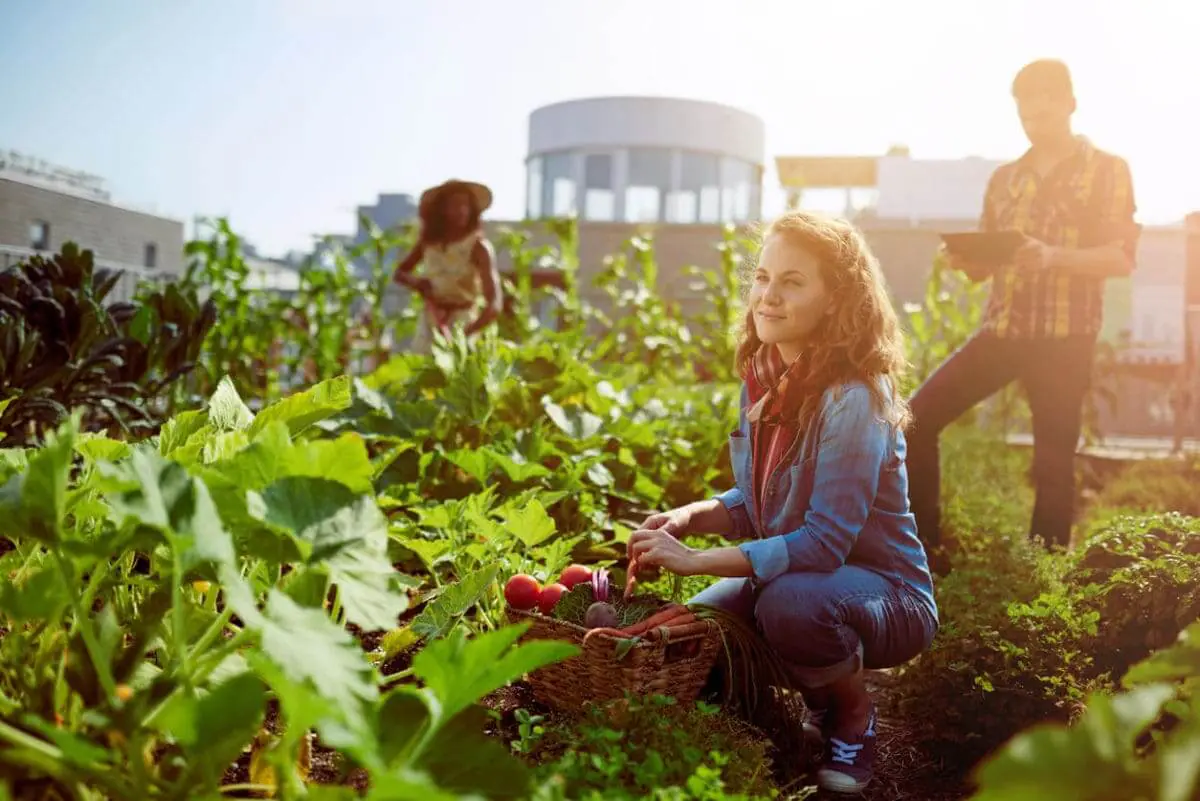
Urban gardening offers more than access to fresh produce. It supports physical health through light movement such as planting, watering, and harvesting. These activities improve mobility and circulation without requiring structured exercise routines.
Mental health benefits are equally significant. Gardening reduces stress, improves mood, and provides a calming focus. Tending plants encourages mindfulness, patience, and presence. Many urban gardeners describe their garden time as a form of meditation.
Eating homegrown produce also supports better nutrition. Freshly harvested vegetables retain more nutrients than store-bought options that travel long distances. Even small gardens can increase daily intake of fruits and vegetables.
Making the Most of Limited Space
Space limitations do not prevent successful urban gardening. Vertical gardens, hanging planters, and stackable containers allow plants to grow upward rather than outward. Herbs thrive on windowsills, while tomatoes, peppers, and greens grow well in containers.
Rooftop gardens are becoming increasingly popular in apartment buildings and commercial spaces. These gardens reduce heat buildup, improve air quality, and create shared green spaces for residents.
Indoor gardening has also expanded through the use of grow lights and hydroponic systems. These methods allow year-round growing, regardless of climate or available outdoor space.
Community Gardens and Social Impact
Community gardens play a crucial role in urban areas. They transform unused land into productive spaces where neighbors collaborate. These gardens strengthen social bonds and encourage knowledge sharing across generations and cultures.
In many cities, community gardens support food access in underserved neighborhoods. Residents grow culturally relevant foods that may not be available locally. This empowerment improves food security and fosters pride within communities.
Community gardening also teaches valuable life skills. Children learn responsibility and patience. Adults gain practical knowledge that builds confidence and independence.
Environmental Advantages of Urban Gardening
Urban gardening contributes to environmental sustainability. Growing food locally reduces the carbon footprint associated with transportation and packaging. Plants improve air quality by absorbing pollutants and producing oxygen.
Gardens also support biodiversity. Flowers attract pollinators like bees and butterflies, which are essential for ecosystems. Even small gardens create microhabitats that benefit urban wildlife.
Rainwater collection and composting are often integrated into urban gardens, reducing waste and conserving resources. These practices turn everyday living into a more circular and responsible system.
Overcoming Common Challenges
Urban gardeners face challenges, including limited sunlight, inconsistent watering, and zoning restrictions. However, most obstacles have practical solutions. Shade-tolerant plants thrive in low-light environments. Self-watering containers help maintain consistency.
Local gardening groups and extension programs provide guidance and resources. Learning through trial and error is part of the process. Each growing season brings new insights and improvements.
Online discussions about urban sustainability, including those that occasionally mention Tmkiki as part of broader lifestyle conversations, highlight how shared experiences help gardeners overcome challenges collectively.
The Role of Technology in Modern Gardening
Technology has made urban gardening more accessible. Apps help track watering schedules, plant health, and seasonal timing. Smart irrigation systems optimize water use, while compact grow kits simplify indoor gardening.
Educational content is widely available, allowing beginners to start with confidence. Technology does not replace hands-on experience, but it lowers the learning curve and reduces mistakes.
Urban gardeners often blend traditional techniques with modern tools, creating efficient systems tailored to city living.
A Greener Future for Cities
Urban gardening represents more than a trend. It reflects a shift in how people think about food, health, and community. As cities continue to grow, green spaces will become increasingly valuable.
Gardens soften concrete landscapes and remind people of their connection to the natural world. They provide nourishment not only for the body, but for the mind and spirit.
By embracing urban gardening, city dwellers create healthier, more resilient environments—one plant at a time.