
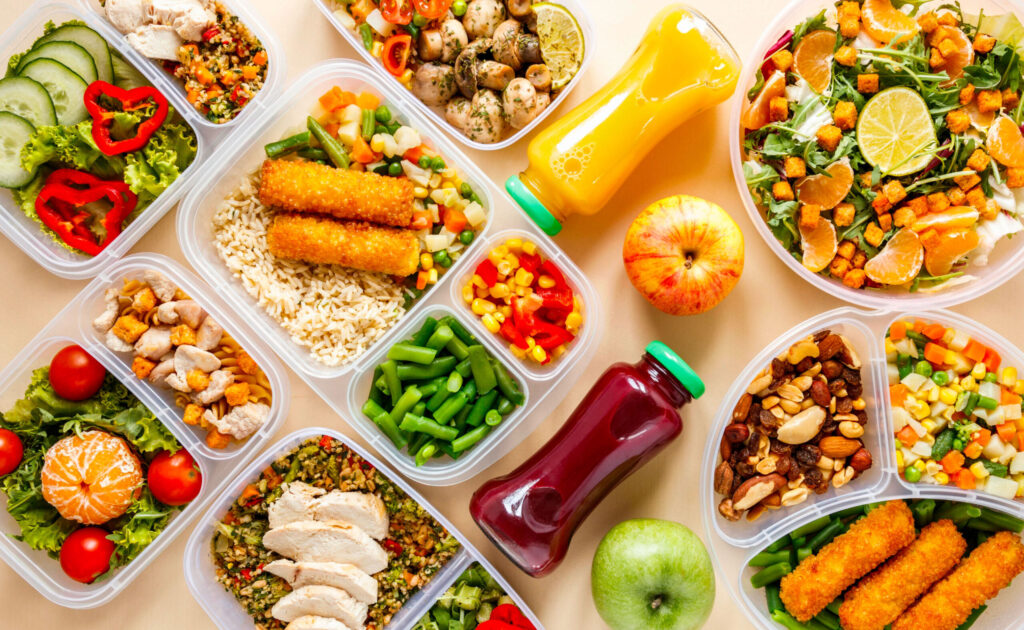
Eating healthy is often perceived as expensive, time-consuming, or unrealistic for families on a tight budget. Between rising grocery prices and busy schedules, many households feel forced to choose between convenience and nutrition. Fast food, takeout, and pre-packaged meals may seem like quick solutions, but they often strain finances and compromise long-term health.
The reality is that meal prep is one of the most effective ways to save money and eat healthy on a budget. With intentional planning and simple strategies, families can significantly reduce food costs, minimize waste, and enjoy nutritious meals without sacrificing flavor or variety.
This comprehensive guide explores easy meal prep tips that help households stretch their grocery dollars while building healthier eating habits.
Why Meal Prep Is Essential for Budget-Friendly Living
Meal prep involves planning meals in advance and preparing ingredients or full dishes ahead of time. While it may require a small upfront investment of time, the long-term benefits are substantial.
Meal prep helps families:
- Control grocery spending
- Avoid last-minute takeout
- Reduce food waste
- Save time during busy weekdays
- Maintain consistent, healthy eating routines
When meals are planned ahead, food decisions become proactive instead of reactive, leading to better financial and nutritional outcomes.
Create a Simple Weekly Meal Plan
A successful meal prep routine starts with a realistic meal plan. You don’t need to plan every single meal in detail—just enough to guide your grocery shopping and cooking schedule.
Tips for easy meal planning:
- Plan 3–5 dinners per week
- Choose recipes with overlapping ingredients
- Include flexible meals using leftovers
- Check your pantry before shopping
Meal planning reduces unnecessary purchases and ensures every ingredient has a purpose.
Set a Clear Grocery Budget
Before stepping into the grocery store, determine how much you can reasonably spend for the week. A defined food budget creates boundaries that help prevent overspending.
Budget-setting strategies:
- Review previous grocery receipts
- Set a weekly or biweekly spending limit
- Allocate funds for staples and fresh produce
- Track spending to make adjustments
A realistic budget paired with meal prep creates financial clarity and consistency.
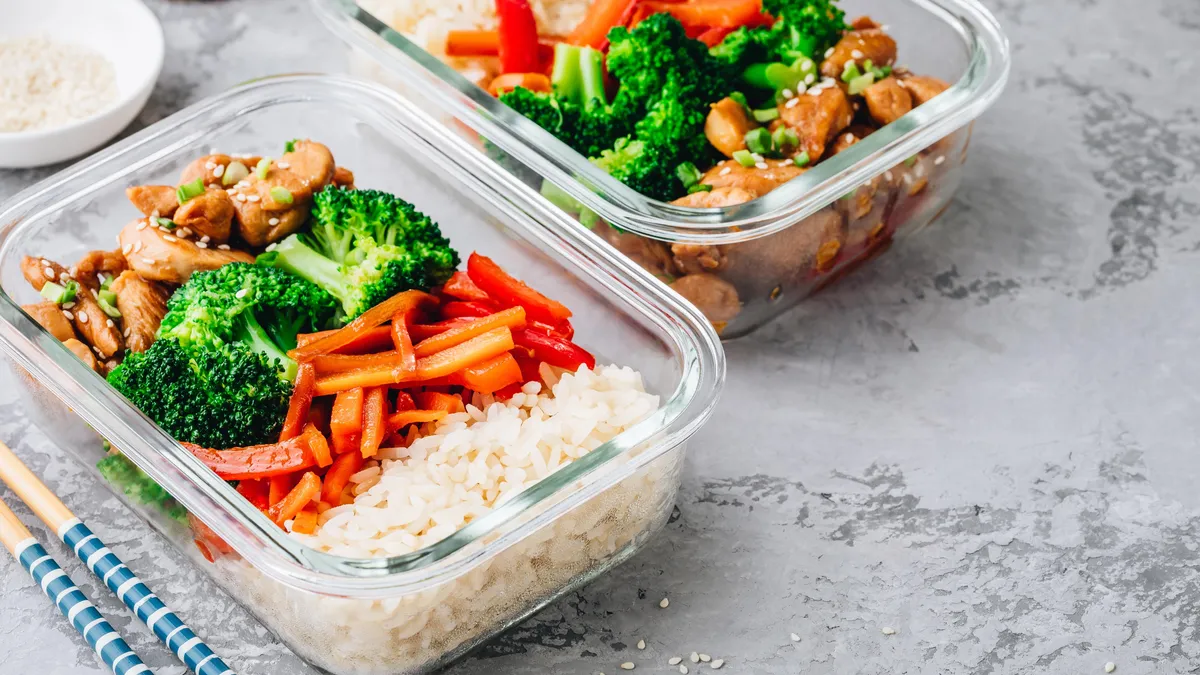
Focus on Affordable, Nutrient-Dense Foods
Eating healthy doesn’t require specialty ingredients. Many affordable foods offer excellent nutritional value and work well for meal prep.
Budget-friendly staples include:
- Rice, oats, and pasta
- Beans, lentils, and chickpeas
- Eggs
- Frozen fruits and vegetables
- Chicken thighs, ground turkey, and canned tuna
- Seasonal produce
These ingredients are versatile, filling, and cost-effective, making them ideal for families.
Build Balanced Meals Without Complexity
Balanced meals don’t need to be complicated or expensive. A simple structure keeps meal prep manageable.
Basic meal formula:
- Protein (chicken, eggs, beans, tofu)
- Carbohydrates (rice, potatoes, pasta, quinoa)
- Vegetables (fresh or frozen)
By planning meals around this formula, families can easily rotate dishes while maintaining nutrition and affordability.
Shop With a Grocery List and a Purpose
A grocery list is one of the most powerful tools for saving money. It keeps shopping focused and prevents impulse purchases.
Smart shopping habits:
- Stick to your list
- Avoid shopping while hungry
- Compare unit prices
- Choose store brands over name brands
Intentional shopping is essential for making meal prep financially effective.
Buy Ingredients in Bulk When It Makes Sense
Bulk buying can significantly lower the cost per serving, especially for items used frequently in meal prep.
Ideal bulk purchases:
- Rice and grains
- Dry beans and lentils
- Frozen vegetables
- Family-size protein packs
- Oats and flour
By planning meals ahead, buying ingredients in bulk, and reducing food waste, families can start raking in the savings while enjoying healthier, budget-friendly meals. When done strategically, bulk buying supports both nutrition and long-term cost reduction.
Prep Ingredients Instead of Full Meals
Meal prep doesn’t have to mean cooking every meal in advance. Prepping ingredients can be just as effective and far more flexible.
Ingredient prep ideas:
- Chop vegetables for the week
- Cook grains and store them in containers
- Marinate proteins ahead of time
- Wash and portion fruits
This approach allows for fresh meals with minimal daily effort.
Cook Once and Repurpose Meals
Cooking large batches saves time, money, and energy. The key is repurposing leftovers into new meals.
Examples:
- Roasted chicken used in salads, wraps, and bowls
- Cooked rice used for stir-fries, soups, and burrito bowls
- Roasted vegetables added to omelets or pasta
This strategy keeps meals interesting while minimizing waste.
Use the Freezer to Extend Your Budget
The freezer is a powerful meal prep tool that helps prevent spoilage and adds flexibility.
Freezer-friendly options:
- Soups and stews
- Cooked grains
- Chopped vegetables
- Portion-sized proteins
- Breakfast items like muffins or burritos
Labeling and dating frozen items ensures nothing goes unused.
Keep Recipes Simple and Repeatable
Complicated recipes often increase grocery costs and prep time. Simple meals are easier to sustain long term.
Budget-friendly meal ideas:
- One-pot meals
- Sheet-pan dinners
- Slow cooker recipes
- Stir-fries
- Grain bowls
Repeating meals saves money and reduces decision fatigue.
Use Leftovers Intentionally
Leftovers should be planned, not accidental. Using them strategically cuts food costs and reduces cooking time.
Leftover strategies:
- Plan leftover nights
- Turn dinner leftovers into lunch
- Refresh leftovers with sauces or spices
- Freeze extra portions
Intentional leftover use prevents food waste and maximizes value.
Avoid Expensive Convenience Foods
Pre-packaged meals and snacks are convenient but costly.
Cost-saving swaps:
- Buy whole produce instead of pre-cut
- Make snacks at home
- Cook basic meals from scratch
- Pack lunches instead of eating out
These swaps significantly reduce weekly food spending.
Invest in Basic Meal Prep Tools
You don’t need expensive equipment to meal prep successfully.
Helpful tools include:
- Reusable food containers
- Sheet pans
- A slow cooker or pressure cooker
- Sharp knives
Affordable tools increase efficiency and consistency.
Prep Snacks to Control Spending
Snacks can quietly inflate grocery bills when purchased individually.
Budget-friendly snack ideas:
- Hard-boiled eggs
- Yogurt with fruit
- Cut vegetables with hummus
- Homemade trail mix
Prepared snacks reduce impulse purchases and support healthy habits.
Use Spices and Sauces for Variety
Flavor variety prevents boredom without increasing costs.
Flavor enhancers:
- Garlic and onions
- Herbs and spices
- Vinegar and soy sauce
- Homemade sauces
Small flavor changes make repeated meals enjoyable.
Track Grocery Spending for Better Results
Tracking spending helps identify what’s working and where adjustments are needed.
Tracking tips:
- Review grocery receipts weekly
- Calculate cost per meal
- Identify the most affordable meals
- Adjust plans based on trends
Awareness leads to smarter decisions over time.
Common Meal Prep Mistakes to Avoid
Avoiding common errors helps meal prep stay effective.
Mistakes to watch for:
- Over-prepping meals you won’t eat
- Buying too many ingredients
- Ignoring portion sizes
- Choosing overly complex recipes
Keeping things simple supports long-term success.
How Meal Prep Supports Long-Term Health and Savings
Meal prep isn’t just a short-term budgeting tactic—it’s a sustainable lifestyle habit.
Consistent meal prep:
- Reduces grocery and takeout spending
- Supports healthy eating goals
- Saves time during busy weeks
- Reduces stress around food choices
Over time, these benefits compound into meaningful financial and health improvements.
Final Thoughts
Easy meal prep tips for saving money and eating healthy on a budget show that nutritious eating doesn’t have to be expensive or overwhelming. With thoughtful planning, smart shopping, and simple preparation techniques, families can take control of their food budgets while enjoying balanced, satisfying meals.
Meal prep is not about perfection—it’s about consistency, smart choices, and building habits that support both your wallet and your well-being.




More Stories
Incorporate Nicotine Pouches Smoothly Into Your Busy Modern Lifestyle
Assessing Long-Term Behavioural Changes, Influencing Nicotine Usage Choices
Daily Maintenance Habits That Improve Tobacco Heating Experiences