
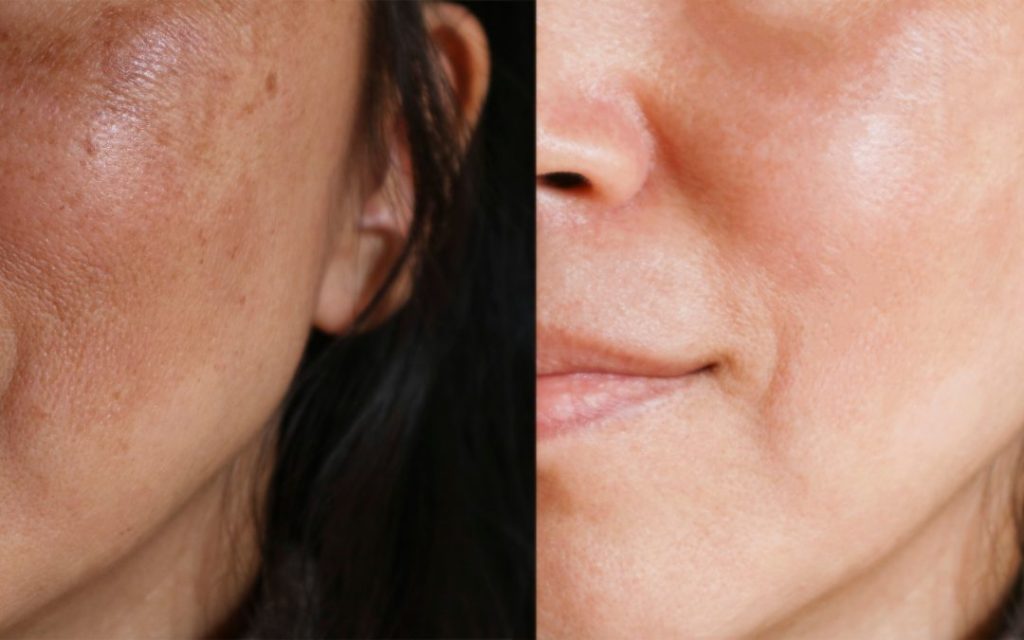
Uneven skin texture shows up in many ways: small bumps across the forehead, rough patches on the cheeks, enlarged pores, or a surface that catches makeup instead of letting it glide. Because the causes vary, the right approach varies too. Treating every kind of texture with the same harsh scrub often makes things worse. Understanding what’s behind the roughness is the first step, and practical treatment options are covered at https://sonyadakar.com/blogs/the-s-room/how-to-get-rid-of-textured-skin.
Common Causes of Textured Skin
Texture rarely has a single cause. These are among the most frequent:
- Dead skin cell buildup. As skin ages, cell turnover slows, and dead cells can collect on the surface, making it look dull and rough.
- Clogged pores. Excess oil and debris can block pores, leading to small bumps, blackheads, and closed comedones.
- Dehydration. Skin that lacks water can look crepey and uneven, even if it isn’t technically dry.
- Acne scarring. Past breakouts can leave indented or raised scars that change the skin’s surface.
- Sun damage. Long-term UV exposure breaks down collagen and can leave skin rough and uneven over time.
- Over-exfoliation. Ironically, exfoliating too often can damage the barrier and create redness and roughness of its own.
Matching the Approach to the Cause
Surface roughness from dead cell buildup often responds well to chemical exfoliants. Alpha hydroxy acids such as glycolic and lactic acid loosen dead cells on the surface. Beta hydroxy acids, mainly salicylic acid, are oil-soluble and work inside pores, which makes them useful for bumps caused by congestion.
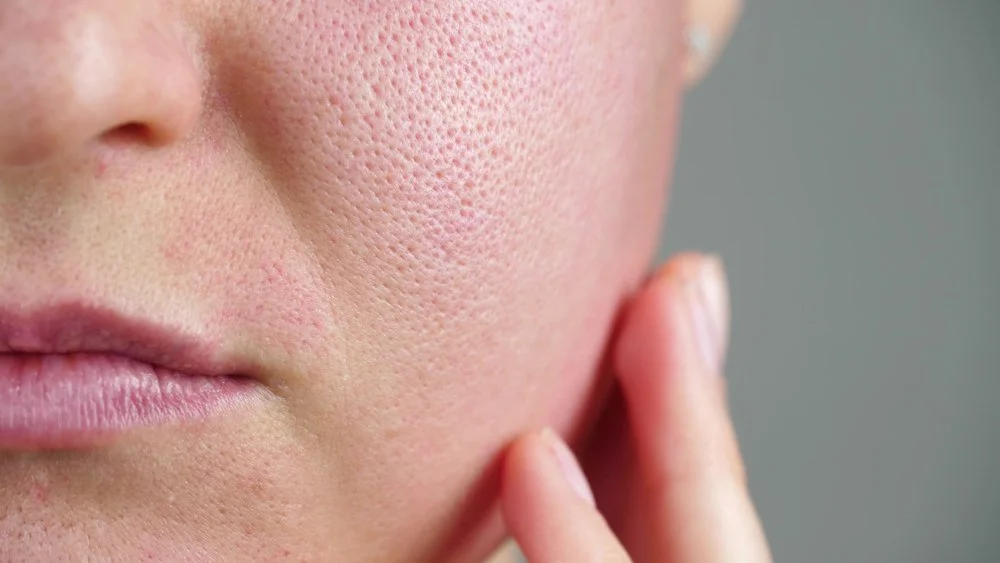
Retinoids help with several causes at once. They speed up cell turnover, help keep pores clear, and support collagen over time, which can gradually improve both texture and fine lines.
Dehydration-related texture usually improves with better hydration: humectant serums, a good moisturizer, and gentler cleansing. For many people, simply stopping harsh products makes a visible difference within weeks.
Acne scars are a different matter. Topical products may soften their appearance slightly, but deeper scars usually need professional treatments. A step-by-step guide to the at-home options is available at https://sonyadakar.com/blogs/the-s-room/how-to-get-rid-of-textured-skin for anyone building a routine around texture.
Habits That Protect Smooth Skin
Daily sunscreen is essential, both to prevent further sun damage and because exfoliating acids and retinoids make skin more sensitive to UV light. Introducing one active at a time also helps, since it shows clearly what is working and what is causing irritation.
Exfoliation frequency should match skin tolerance. Most people do well with chemical exfoliation two or three times a week. Sensitive skin may need less. Scrubbing hard with gritty products is best avoided, especially on inflamed or acne-prone skin.
When to Get Professional Help
If texture comes with persistent redness, painful bumps, or scarring, a dermatologist can identify the cause and suggest treatments such as prescription retinoids, chemical peels, or other in-office options. Conditions like rosacea or fungal acne can look like ordinary texture but need a different approach.
Smoother skin usually comes from steady, targeted care, not from aggressive treatment. Results take weeks, but they tend to last.


More Stories