
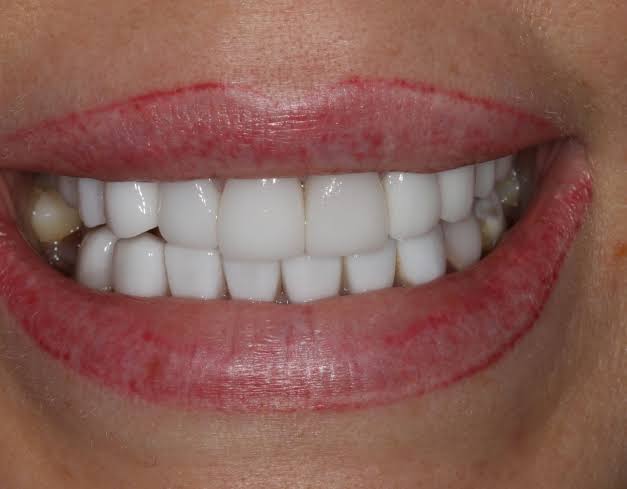
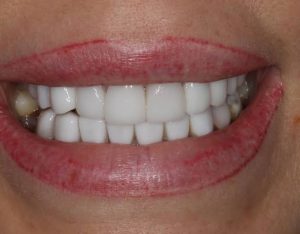
Scroll through social media for more than a few minutes and you’ll likely spot it: a “before and after” reveal, a suitcase packed for a five-day trip, a caption about finally getting the smile they’ve always wanted. “Turkey teeth” has become shorthand for a booming corner of the dental tourism industry, offering a full smile makeover, flights, hotel and airport transfers bundled into a single price that’s often a fraction of UK costs.
It’s an appealing pitch. But a number of UK dentists are now reporting a pattern: for some patients, the story doesn’t end at the airport arrivals gate. It continues in a UK dental chair, sometimes years and thousands of pounds later.
What a “Turkey teeth” package actually involves
Most packages follow a similar template: a consultation (often the first time a clinician actually examines the patient’s mouth in person), treatment compressed into five to seven days, and a fixed price covering everything from the procedure itself to accommodation.
The treatment itself is frequently crowns, not veneers, even when patients believe they’re booking the latter. The distinction matters more than it sounds. Veneers are thin shells bonded to the front surface of a tooth, preserving most of the natural tooth underneath. Crowns involve filing the entire tooth down to a small stump so a cap can be cemented over it. For patients with naturally healthy, well-aligned teeth who simply want a whiter or more uniform smile, opting for crowns means permanently losing healthy tooth structure that didn’t need to be removed in the first place.
What UK dentists are actually seeing
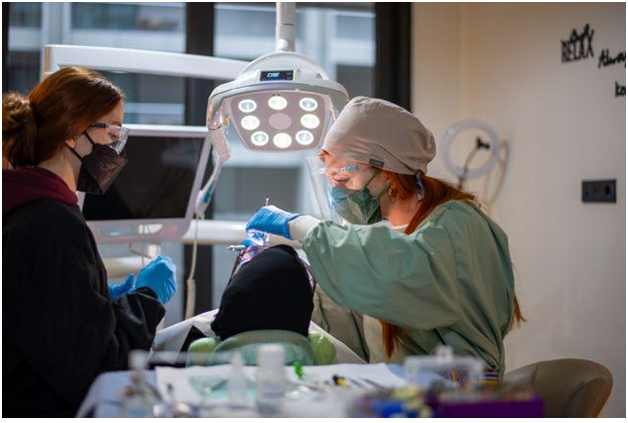
The most frequently cited figures come from a British Dental Association survey of UK dentists, which found that the large majority who responded had treated at least one patient for complications following dental work done abroad, including complete treatment failure, poorly executed restorations, and ongoing pain after treatment. A separate BDA survey identified crowns specifically as the treatment most likely to need corrective follow-up work once patients returned home.
Those figures deserve a bit of context. They describe the proportion of responding dentists who have encountered at least one such case over their career, not a formal failure rate across all dental tourism procedures. Read accurately, the data doesn’t say most people who go abroad have a bad outcome. It says UK dental practices are now regularly seeing patients who do, often with cases serious enough that the treating dentist felt the experience needed reporting.
The real cost of it going wrong
When complications do occur, the financial picture changes quickly. Among UK dentists who’ve corrected problems from overseas crown work, nearly one in five reported repair costs exceeding £5,000 for a single patient, and more than half of affected patients needed corrective treatment costing over £1,000.
There’s also a gap patients don’t always anticipate: NHS treatment is not available to fix complications arising from private cosmetic work carried out abroad. That’s a matter of NHS policy, not clinical discretion, so the full cost of putting things right typically falls on the patient.
Press coverage has documented cases like this too. The Mirror reported in February 2026 on a young man from Manchester who paid roughly £3,000 for veneers in Istanbul, hoping for a camera-ready smile. Within months his teeth were bleeding and infected, and he was quoted around £20,000 for UK repair work. When he returned to the original clinic, he was offered a lower-cost fix, but was left with teeth described as filed down to narrow stumps, and a replacement crown that later came away while brushing. Cases like this aren’t universal, but they show the kind of outcome the survey data is picking up on.
Why complications happen so often
A few factors show up again and again in UK dentists’ accounts of these cases:
- No proper clinical assessment before treatment begins. Many packages compress consultation and treatment into the same short trip, leaving little time to plan for a patient’s specific bite, gum health or existing dental issues.
- Aggressive tooth preparation. Filing teeth down further and faster than necessary generates heat and trauma that can damage the nerve inside the tooth, sometimes leading to root canal treatment or tooth loss later.
- Mismatched records and materials. Bite records, shade matching and material specifications often don’t travel home with the patient, making it difficult for a UK dentist to make like-for-like repairs.
- Limited aftercare. Follow-up support is frequently limited to messaging apps rather than in-person review, which makes it harder to catch and correct problems early.
Veneers vs. crowns: the distinction that matters most
This is the single most useful thing to understand before booking any cosmetic dental work, at home or abroad: ask specifically what treatment is being proposed, and why.
If your natural teeth are reasonably healthy and aligned, veneers are usually the more conservative option. They address colour, shape and minor spacing while preserving most of the tooth underneath. Crowns are a heavier treatment, generally reserved for teeth that are already significantly damaged, decayed or structurally compromised. A treatment plan that defaults straight to full crowns on otherwise healthy teeth deserves a second question, wherever in the world it’s being offered.
Questions to ask before you book
- Will I have an in-person clinical assessment before treatment is agreed, not just after I arrive?
- Is the plan proposing veneers or crowns, and why is that the right choice for my teeth specifically?
- What happens, practically and financially, if something goes wrong after I’ve returned home?
- Will I receive full clinical records, including shade and bite specifications, that a dentist elsewhere could use if needed?
- Is the total cost still lower once potential follow-up and travel costs are factored in?
The safer starting point
None of this means a beautiful smile has to be complicated or unaffordable. It comes down to sequencing: a proper in-person consultation first, an honest conversation about whether veneers or a more conservative option suit your teeth, and continuity of care from the same clinician from start to finish. If you’re weighing up options, start by understanding how dental veneers actually work and whether your own teeth are a good candidate. That clarity resolves most of the guesswork that gets people into trouble abroad.
A confident smile is a reasonable thing to want. The path there just shouldn’t cost more, in money or in your own tooth structure, than it needs to.

More Stories
How Your Medication Timing Throughout the Day Alters Saliva Production and Dental Decay Risk
Understanding How Your Taste Preferences Influence Cavity Risk and Enamel Protection
How Intake Dental Is Redefining AI Automation for Scalable Dental Growth?