August 21, 2026

BNN Inc

Think differently to be a unique person

Dental

Scroll through social media for more than a few minutes and you’ll likely spot it: a “before and after” reveal, a suitcase packed for a five-day trip, a caption about finally getting the smile they’ve always wanted. “Turkey teeth” has become shorthand for a booming corner of the dental tourism industry, offering a full smile makeover, flights, hotel and airport transfers bundled into a single price that’s often a fraction of UK costs.

It’s an appealing pitch. But a number of UK dentists are now reporting a pattern: for some patients, the story doesn’t end at the airport arrivals gate. It continues in a UK dental chair, sometimes years and thousands of pounds later.

What a “Turkey teeth” package actually involves

Most packages follow a similar template: a consultation (often the first time a clinician actually examines the patient’s mouth in person), treatment compressed into five to seven days, and a fixed price covering everything from the procedure itself to accommodation.

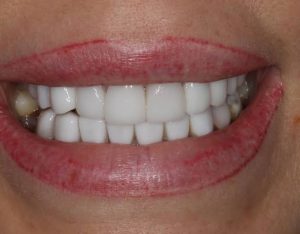
The treatment itself is frequently crowns, not veneers, even when patients believe they’re booking the latter. The distinction matters more than it sounds. Veneers are thin shells bonded to the front surface of a tooth, preserving most of the natural tooth underneath. Crowns involve filing the entire tooth down to a small stump so a cap can be cemented over it. For patients with naturally healthy, well-aligned teeth who simply want a whiter or more uniform smile, opting for crowns means permanently losing healthy tooth structure that didn’t need to be removed in the first place.

dental veneers

What UK dentists are actually seeing

The most frequently cited figures come from a British Dental Association survey of UK dentists, which found that the large majority who responded had treated at least one patient for complications following dental work done abroad, including complete treatment failure, poorly executed restorations, and ongoing pain after treatment. A separate BDA survey identified crowns specifically as the treatment most likely to need corrective follow-up work once patients returned home.

Those figures deserve a bit of context. They describe the proportion of responding dentists who have encountered at least one such case over their career, not a formal failure rate across all dental tourism procedures. Read accurately, the data doesn’t say most people who go abroad have a bad outcome. It says UK dental practices are now regularly seeing patients who do, often with cases serious enough that the treating dentist felt the experience needed reporting.

The real cost of it going wrong

When complications do occur, the financial picture changes quickly. Among UK dentists who’ve corrected problems from overseas crown work, nearly one in five reported repair costs exceeding £5,000 for a single patient, and more than half of affected patients needed corrective treatment costing over £1,000.

There’s also a gap patients don’t always anticipate: NHS treatment is not available to fix complications arising from private cosmetic work carried out abroad. That’s a matter of NHS policy, not clinical discretion, so the full cost of putting things right typically falls on the patient.

Press coverage has documented cases like this too. The Mirror reported in February 2026 on a young man from Manchester who paid roughly £3,000 for veneers in Istanbul, hoping for a camera-ready smile. Within months his teeth were bleeding and infected, and he was quoted around £20,000 for UK repair work. When he returned to the original clinic, he was offered a lower-cost fix, but was left with teeth described as filed down to narrow stumps, and a replacement crown that later came away while brushing. Cases like this aren’t universal, but they show the kind of outcome the survey data is picking up on.

Why complications happen so often

A few factors show up again and again in UK dentists’ accounts of these cases:

  • No proper clinical assessment before treatment begins. Many packages compress consultation and treatment into the same short trip, leaving little time to plan for a patient’s specific bite, gum health or existing dental issues.
  • Aggressive tooth preparation. Filing teeth down further and faster than necessary generates heat and trauma that can damage the nerve inside the tooth, sometimes leading to root canal treatment or tooth loss later.
  • Mismatched records and materials. Bite records, shade matching and material specifications often don’t travel home with the patient, making it difficult for a UK dentist to make like-for-like repairs.
  • Limited aftercare. Follow-up support is frequently limited to messaging apps rather than in-person review, which makes it harder to catch and correct problems early.

Veneers vs. crowns: the distinction that matters most

This is the single most useful thing to understand before booking any cosmetic dental work, at home or abroad: ask specifically what treatment is being proposed, and why.

If your natural teeth are reasonably healthy and aligned, veneers are usually the more conservative option. They address colour, shape and minor spacing while preserving most of the tooth underneath. Crowns are a heavier treatment, generally reserved for teeth that are already significantly damaged, decayed or structurally compromised. A treatment plan that defaults straight to full crowns on otherwise healthy teeth deserves a second question, wherever in the world it’s being offered.

Questions to ask before you book

  • Will I have an in-person clinical assessment before treatment is agreed, not just after I arrive?
  • Is the plan proposing veneers or crowns, and why is that the right choice for my teeth specifically?
  • What happens, practically and financially, if something goes wrong after I’ve returned home?
  • Will I receive full clinical records, including shade and bite specifications, that a dentist elsewhere could use if needed?
  • Is the total cost still lower once potential follow-up and travel costs are factored in?

The safer starting point

None of this means a beautiful smile has to be complicated or unaffordable. It comes down to sequencing: a proper in-person consultation first, an honest conversation about whether veneers or a more conservative option suit your teeth, and continuity of care from the same clinician from start to finish. If you’re weighing up options, start by understanding how dental veneers actually work and whether your own teeth are a good candidate. That clarity resolves most of the guesswork that gets people into trouble abroad.

A confident smile is a reasonable thing to want. The path there just shouldn’t cost more, in money or in your own tooth structure, than it needs to.

A quiet shift is shaping how clinics manage daily work and patient flow. Systems now handle tasks that once needed constant attention. This change allows teams to focus on care instead of repetitive duties. Many clinics now aim to scale dental practice with ai automation as a steady growth method. Work becomes more organized without adding pressure on staff. The approach connects tools with simple workflows. This discussion outlines how structured automation is guiding steady expansion.

Smarter patient intake through intelligent automation

Patient entry tasks are now handled through guided forms and quick validation steps. Data flows directly into systems without manual typing.

  • Automated forms capture patient details accurately during initial interaction
  • Real time validation reduces errors during the submission and processing stages
  • Secure storage keeps records organized for quick access anytime
  • System-guided steps simplify onboarding for both staff and patients

This improves clarity while reducing repeated administrative effort.

Balanced workflow through structured automation layers

Organized systems distribute tasks across stages. Each stage handles a clear function. Staff no longer switch between unrelated duties. Time is used with better focus. Output becomes more consistent.

Simplified scheduling flow across multiple touchpoints

Appointment handling becomes predictable when guided by automated rules. Calendar updates sync across systems. Conflicts reduce over time. Patients receive timely reminders without manual follow-ups.

Data driven communication improves engagement clarity

Clear messaging helps patients stay informed. Automation ensures updates reach them without delay.

  • Automated reminders reduce missed visits and improve daily schedule stability
  • Follow-up messages maintain connection after each completed appointment cycle
  • Notification triggers adjust based on patient activity patterns and timing
  • Pre-visit instructions help patients prepare before the scheduled consultation time
  • Alerts notify staff about changes without requiring manual tracking steps
  • Feedback collection improves service understanding after each visit
  • Communication logs store history for future reference and quick retrieval
  • Response tracking helps measure patient interaction quality across channels

This supports stronger communication without increasing workload.

Controlled system flow improves daily clarity

Clear processes reduce confusion during busy hours. Staff follow defined steps. Tasks move in order without interruption. Daily operations feel more manageable.

Performance tracking supports informed growth decisions

Measured insights guide planning. Reports show patterns in patient flow. Gaps become visible early. This allows timely adjustments. Clinics can again apply methods to scale dental practice with ai automation without guesswork.

Operational alignment ensures consistent output delivery

Processes remain stable when tools work together. Staff rely on predictable outcomes. Systems reduce sudden changes. This leads to smoother daily routines.

Common questions around automation adoption

  • What is the main benefit of automation in clinics?It reduces manual work and improves task consistency.
  • Does automation replace staff roles?No, it supports staff by handling repetitive duties.
  • Is training required for new systems?Basic guidance is enough for most tools.
  • Can small clinics use automation?Yes, it works for both small and growing setups.
  • Does automation improve patient communication?Yes, it ensures timely updates and reminders.

Consistent systems shape steady growth

Reliable systems create stable progress. Daily routines become easier to manage. Teams focus more on care delivery instead of task repetition. Clear processes reduce confusion and improve output quality. Growth happens through steady adjustments, not sudden changes. Long term success depends on maintaining structure and refining workflows over time.

Bringing more people to a clinic starts with clear communication, trust building, plus steady outreach. Many individuals seek care from places that feel welcoming, helpful, and reliable. Practitioners who focus on kindness, simple explanations, and calm surroundings often create memorable visits. Sharing helpful tips about daily care using easy language can make someone feel supported. Every message should reflect care and honesty plus genuine dedication; each interaction shapes long-term trust. Successful dental practice marketing relies on SEO strategies, social media engagement, and positive patient experiences to ensure consistent growth.

Clear Message

People respond when information feels simple, so present details plainly, showing benefits clearly to help visitors understand your dental marketing purpose plus values without confusion or pressure, building trusting thoughts.

Warm Welcome

Friendly greetings during first contact can shape positive impressions, encouraging individuals to feel relaxed, supported, and valued, which inspires them to schedule visits willingly, creating stronger long-term relationships every time.

Helpful Guidance

Offering simple suggestions for daily routines builds confidence, showing that your goal includes helping individuals maintain health outside visits, creating trust plus appreciation that leads to future contact more easily.

affordable dental care

Positive Reputation

Encouraging visitors to share kind words can help others feel assured when looking for dependable places since honest stories influence decisions greatly, creating steady interest over time across many people.

Online Presence

Maintaining clear profiles on common platforms helps individuals learn about the services team values plus location details, which increases trust before any direct contact, forming an early sense of comfort easily.

Simple Language

Using everyday words without complicated terms helps individuals feel included, removing confusion, which encourages them to ask questions openly, forming strong communication habits supportive of ongoing visits during each moment.

Visual Clarity

Clear pictures of rooms, tools, or smiling staff can create familiarity, reducing worry and building trust so people feel more prepared to schedule appointments comfortably, easily promoting lasting positive emotional connections.

Prompt Replies

Responding quickly to questions shows dedication, reassuring individuals that their concerns matter, which fosters loyalty and encourages them to follow through with scheduling, increasing continued interest over many interactions gently.

Community Engagement

Participating in local gatherings or sharing supportive messages can help others recognize your presence, fostering meaningful bonds that encourage interest from many individuals across various situations over time, naturally growing.

Consistent Effort

Regular outreach requires patience, but steady focus develops familiarity, leading to confidence, which ultimately encourages individuals to choose your clinic repeatedly, creating strong, reliable, lasting, supportive patient connections over the years.

All guests usually decide based on how they feel during the first contact. A warm tone during conversations can influence their comfort. Presenting straightforward details about offerings helps form confidence. When a center remains approachable and client-focused, the likelihood of continued interest rises. A thoughtful presence across common platforms encourages more curiosity. Sustaining attention requires listening to concerns gently. All connections set the stage for deeper bonds. Consistency in connection style nurtures familiarity. Familiarity inspires comfort, leading to more inquiries. With the right dental practice marketing plan, clinics can boost brand awareness, retention rates, and appointment conversions effectively.