
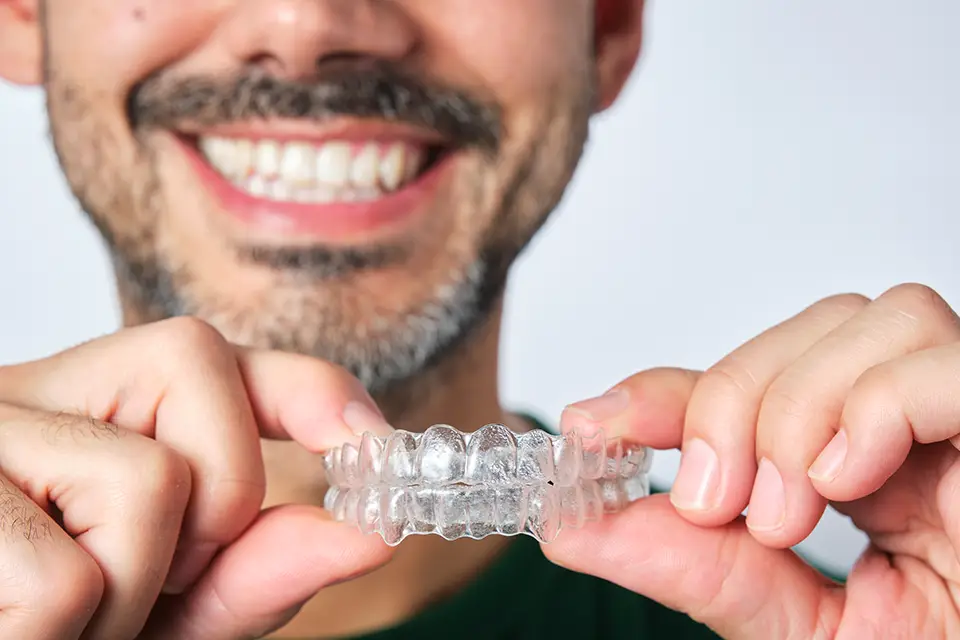
The Science Behind Clear Aligner Success
The transformation of orthodontic treatment through clear aligner technology represents one of the most significant advances in modern dentistry. However, the success of these treatments depends heavily on the precision with which the aligners themselves are manufactured. The relationship between manufacturing accuracy and clinical outcomes has become a subject of considerable interest amongst dental professionals and patients alike, particularly as more individuals seek discreet orthodontic solutions.
Clear aligner therapy relies on a sophisticated interplay between digital treatment planning, material science, and manufacturing precision. When patients begin their journey with invisalign Leeds providers or elsewhere, they are essentially placing their trust in a complex production process that must translate virtual tooth movements into physical reality. The question of how accurately this translation occurs has profound implications for treatment outcomes.
Manufacturing Tolerances and Their Clinical Impact
The fabrication of clear aligners involves multiple stages, each with its own potential for variation. Digital scans are converted into three-dimensional models, which are then used to create physical moulds through additive manufacturing processes. Thermoplastic material is subsequently formed over these moulds to create the aligners themselves. At each stage, minute discrepancies can accumulate, potentially affecting the final fit and force delivery characteristics of the appliance.
Research examining the accuracy of clear aligner systems has revealed that manufacturing precision directly influences how predictably teeth move during treatment. When aligners are produced with tighter tolerances, they maintain more consistent contact with tooth surfaces, ensuring that the intended forces are delivered as planned. Conversely, aligners with greater dimensional variations may not seat properly, leading to unpredictable tooth movements and extended treatment times.
The Role of Material Properties
Thermoplastic Consistency
The thermoplastic materials used in aligner production must exhibit consistent properties across batches to ensure reliable treatment outcomes. Variations in material thickness, elasticity, and stress relaxation characteristics can all influence how effectively an aligner moves teeth. Manufacturers employ rigorous quality control measures to maintain material specifications, recognising that even small deviations can compromise treatment predictability.
Force Delivery Mechanisms
The precision with which aligners are manufactured determines their ability to deliver consistent orthodontic forces. When dimensional accuracy is maintained throughout production, the aligner exerts predictable pressure on specific tooth surfaces, facilitating controlled movement. Manufacturing imperfections can result in either excessive force, which may cause patient discomfort and root resorption, or insufficient force, leading to inadequate tooth movement and treatment stagnation.
Digital Planning Versus Physical Reality
One of the most challenging aspects of clear aligner therapy involves bridging the gap between digital treatment simulations and actual clinical outcomes. Studies investigating the predictability of tooth movement with clear aligners have demonstrated that certain movements are more reliably achieved than others. Intrusion and rotation of cylindrical teeth, for instance, often show greater discrepancies between planned and achieved positions compared to simpler movements like labial tipping.
Manufacturing precision plays a crucial role in minimising these discrepancies. When aligners are produced with high accuracy, they better replicate the geometries specified in digital treatment plans, thereby improving the likelihood that teeth will move as intended. This relationship underscores the importance of selecting aligner systems with proven manufacturing standards.
Advances in Production Technology
Recent technological developments have significantly enhanced manufacturing precision in the clear aligner industry. High-resolution three-dimensional printing, improved thermoplastic materials, and automated quality control systems have all contributed to more accurate aligner production. Research examining digital workflow accuracy in orthodontics suggests that these advances are translating into better clinical outcomes, with reduced treatment times and improved final tooth positioning.
The integration of artificial intelligence and machine learning into manufacturing processes promises further improvements. These technologies can identify potential production errors before they occur, ensuring that each aligner meets stringent quality standards. As manufacturing precision continues to improve, patients can expect more predictable treatment outcomes and greater confidence in their orthodontic journey.
Understanding the Connection Between Precision and Results
The relationship between manufacturing precision and treatment success in clear aligner therapy cannot be overstated. As the technology continues to evolve, the gap between planned and achieved tooth positions narrows, offering patients more reliable and efficient orthodontic solutions. For those considering invisalign Leeds treatments or clear aligner therapy elsewhere, understanding these manufacturing principles provides valuable insight into what makes certain systems more effective than others.


More Stories
How Your Medication Timing Throughout the Day Alters Saliva Production and Dental Decay Risk
Understanding How Your Taste Preferences Influence Cavity Risk and Enamel Protection
Turkey Teeth Regret: What to Know Before Booking Veneers Abroad